
2026-08-20 · Mike Hernandez
Local Considerations for Attic Water Damage in Florida Homes
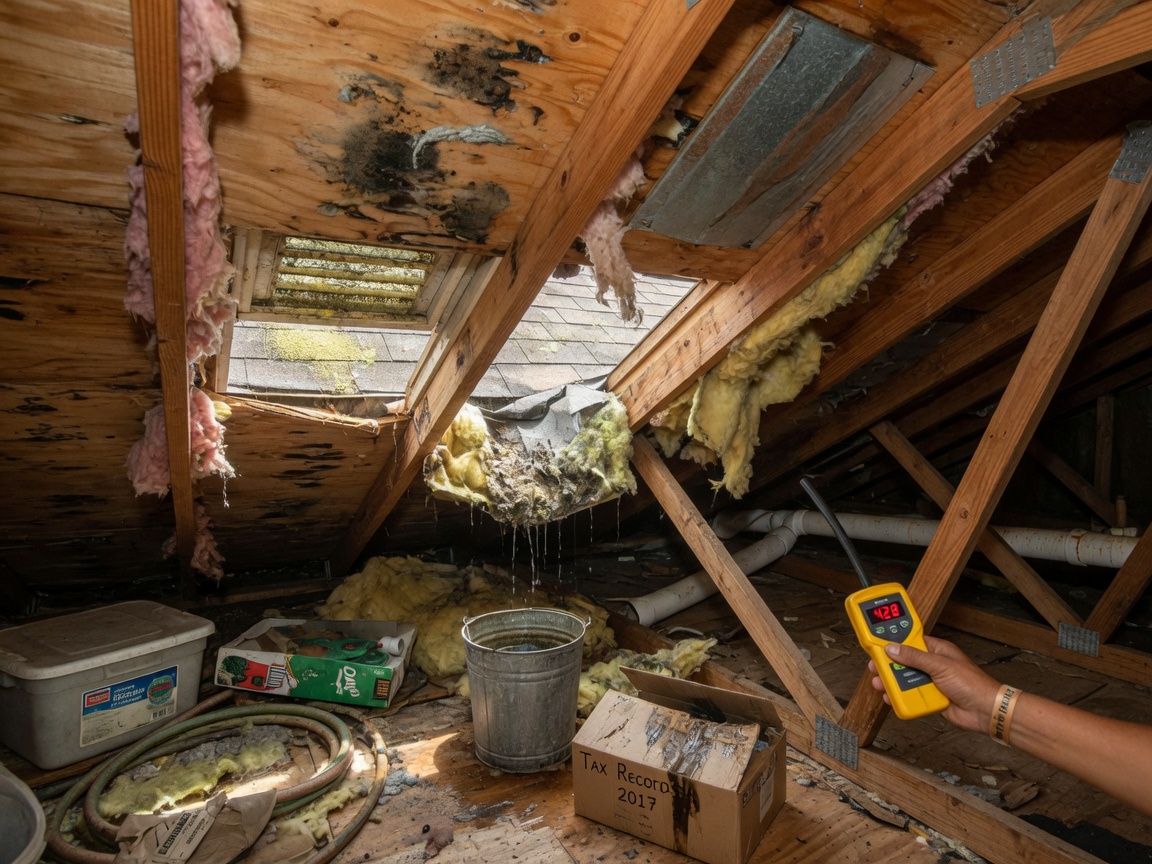
Attic water damage in Davie homes often stems from roof leaks during the June-to-October rainy season, with repairs typically requiring targeted extraction and drying within 48 hours to limit mold in humid conditions. Florida's frequent afternoon thunderstorms and occasional tropical systems accelerate saturation in older single-family homes with asphalt shingle roofs found throughout neighborhoods like those near Orange Drive.
Common Causes of Attic Leaks in Davie Homes
Davie’s housing stock includes many 1970s–1990s single-family homes with tile or shingle roofs that develop cracks from UV exposure and wind-driven rain. Tree branches from mature oaks common in the area can puncture underlayment during storms, allowing water to pool above insulation. Poor attic ventilation in these homes traps moisture, turning minor roof penetrations into widespread saturation. Residents in nearby Cooper City and Weston report similar issues tied to aging flashing around chimneys and skylights. Addressing these early prevents water from reaching drywall ceilings below.
How Florida Humidity and Rain Patterns Affect Attic Damage
High humidity levels year-round in the Davie area keep attic temperatures elevated, slowing natural evaporation after leaks and promoting mold within 24–48 hours. Heavy downpours during hurricane season can overwhelm gutters on homes along roads like Griffin Road, forcing water under roof edges. Soil in Broward County retains moisture, raising crawlspace humidity that migrates upward into attics through unsealed penetrations. This combination means even small leaks expand faster than in drier climates, requiring prompt structural drying services to protect insulation and framing.
Detection and Initial Assessment Steps
Homeowners should inspect attics after major storms by looking for dark stains on rafters or sagging insulation near roof valleys. Use a moisture meter on wood members to identify hidden saturation beyond visible wet spots. Check for musty odors that signal early mold growth in poorly ventilated spaces typical of Davie residences. Documenting these findings helps when coordinating with professionals for water damage restoration that includes full attic evaluation.
Restoration Approaches Tailored to Local Conditions
Effective attic water damage restoration begins with removing saturated insulation and debris, followed by HEPA vacuuming and antimicrobial treatment suited to Florida’s mold-prone environment. Technicians then deploy air movers and dehumidifiers calibrated for high ambient humidity to bring moisture below 15 percent. In Davie homes, crews often focus on roof leak repair integration to seal entry points before reinstalling insulation. Linking to related guidance on preparing for hurricane season water risks helps owners plan seasonal checks that reduce repeat incidents.
Prevention Measures for Davie Attics
Regular roof inspections twice a year, especially before rainy season, catch loose tiles or deteriorated flashing common on local homes. Installing ridge vents and ensuring soffit intake remains clear improves airflow and reduces condensation buildup. Homeowners in surrounding areas like Plantation and Hollywood benefit from sealing attic bypasses around plumbing and electrical entries. These steps, combined with prompt response to storm damage restoration needs, limit long-term structural impacts in the region’s climate.